


Crafting 101: Basic Craft Supplies and Where to Find Them
So, you've decided to try crafting. Excellent choice!
There’s just one tiny problem: you walk into a craft store and suddenly find yourself surrounded by thousands of colorful objects, mysterious tools, seventeen different kinds of glue, and enough yarn to outfit a small village.
Where do you even begin?
The good news is that you don't need a craft room overflowing with supplies to get started. A few basic materials can take you surprisingly far. Once you discover which crafts you enjoy, you can slowly build your collection.
Here’s your beginner-friendly guide to the essential craft supplies—and where to find them.
1. Scissors: Your Crafting Best Friend
A good pair of scissors is one of the most useful tools in your craft box.
Look for a comfortable pair with sharp blades. If you plan to work with fabric, it's worth having fabric scissors that you reserve specifically for fabric. Paper can dull scissors surprisingly quickly.
Great for: paper crafts, fabric projects, ribbon, felt, gift wrapping, and general crafting.
Where to find them: craft stores, department stores, office-supply stores, dollar stores, and online retailers.
And remember: label those fabric scissors.
Seriously.
Your family will thank you.
2. Glue: Because Things Need to Stick
Glue comes in many forms, and choosing the right one can feel like a craft project all by itself.
A basic craft collection might include:
-
White craft glue for paper, cardboard, and many lightweight projects.
-
Glue sticks for quick, clean paper crafts.
-
Fabric glue for certain fabric projects.
-
Craft adhesive or tacky glue for projects that need a stronger hold.
-
Double-sided tape for cards, scrapbooking, and decorating.
Hot-glue guns are also popular for crafts, but because they become very hot, they require care and adult supervision for children.
Where to find them: craft stores, hardware stores, office-supply stores, discount stores, and online.
3. Paper and Cardstock
Paper is one of the most versatile and affordable craft materials around.
Start with a few basics: plain white paper, colored construction paper, and heavier cardstock.
Once you're hooked, you can explore patterned scrapbook paper, specialty papers, handmade papers, tissue paper, watercolor paper, and much more.
Great for: greeting cards, decorations, origami, scrapbooking, paper flowers, collages, and children's crafts.
Where to find them: craft stores, office-supply stores, bookstores, discount stores, and even your recycling bin.
That last option can be surprisingly useful!
4. Pencils, Pens, and Markers
Before you invest in fancy art supplies, start with the basics.
A pencil is useful for sketching designs and making measurements. Pens and markers can add outlines, lettering, and color.
A small assortment of colored pencils, washable markers, or felt-tip pens can open up all kinds of possibilities.
Where to find them: office-supply stores, bookstores, department stores, craft stores, and discount shops.

5. Paint and Paintbrushes
You don't need an enormous collection of paint colors to begin.
A small set of acrylic paints can be a great starting point because acrylic paint works on many common craft surfaces.
Add a few inexpensive brushes in different sizes and you're ready to experiment.
Great for: canvas, wood, paper, rocks, craft decorations, and many other surfaces.
Where to find them: craft stores, art-supply stores, department stores, and online retailers.
6. Yarn, Thread, and String
Even if you're not a knitter or crocheter, yarn can be useful for many different projects.
You can use it for pom-poms, decorations, friendship bracelets, wrapping, weaving, and mixed-media projects.
Embroidery thread is another inexpensive and versatile addition to a craft box.
Where to find them: craft stores, fabric stores, some department stores, thrift stores, and online.
And don't overlook yarn sales. Crafters know that yarn has a magical ability to reproduce when nobody is looking.
7. Fabric and Felt
You don't necessarily need to buy large pieces of fabric when you're starting out.
Look for inexpensive remnants or fabric scraps. Felt is especially beginner-friendly because it's inexpensive, colorful, and easy to cut.
Old clothing, pillowcases, and other fabric items can also become crafting materials.
Great for: ornaments, stuffed creations, decorations, appliqué, sewing projects, and holiday crafts.
Where to find them: fabric stores, craft stores, thrift stores, garage sales, and fabric-remnant sections.
8. Rulers and Measuring Tools
A ruler may not be the most exciting item in your craft box, but you'll appreciate having one when you need straight lines or accurate measurements.
A basic ruler is enough for most beginner projects.
As you explore different crafts, you might eventually add measuring tapes, templates, cutting mats, or specialty rulers.
9. Crafting Tools
The tools you'll need depend on the type of crafting you enjoy.
A basic beginner toolkit might include:
-
A ruler
-
A pencil
-
A pair of scissors
-
A craft knife, used carefully and appropriately
-
A cutting mat
-
Hole punches
-
Tweezers
-
Paintbrushes
-
A small set of needles
-
Clips or clothespins
You don't need everything at once. Buy tools when a project actually calls for them.
10. Buttons, Beads, Ribbons, and Other Fun Stuff
Now we get to the really fun part.
Buttons, beads, ribbons, sequins, pom-poms, stickers, wooden shapes, googly eyes, lace, and decorative trim can turn a simple project into something completely unique.
You can purchase these supplies, but you can also find them around your home.
Old buttons from worn-out clothing? Keep them.
Ribbon from a gift package? Save it.
Interesting bits of cardboard? Into the craft box they go!
Before long, you'll be looking at your household rubbish and thinking, “Hmm... I could make something with that.”
Welcome to crafting.
Where Should You Shop?
You have plenty of options when it comes to finding craft supplies.
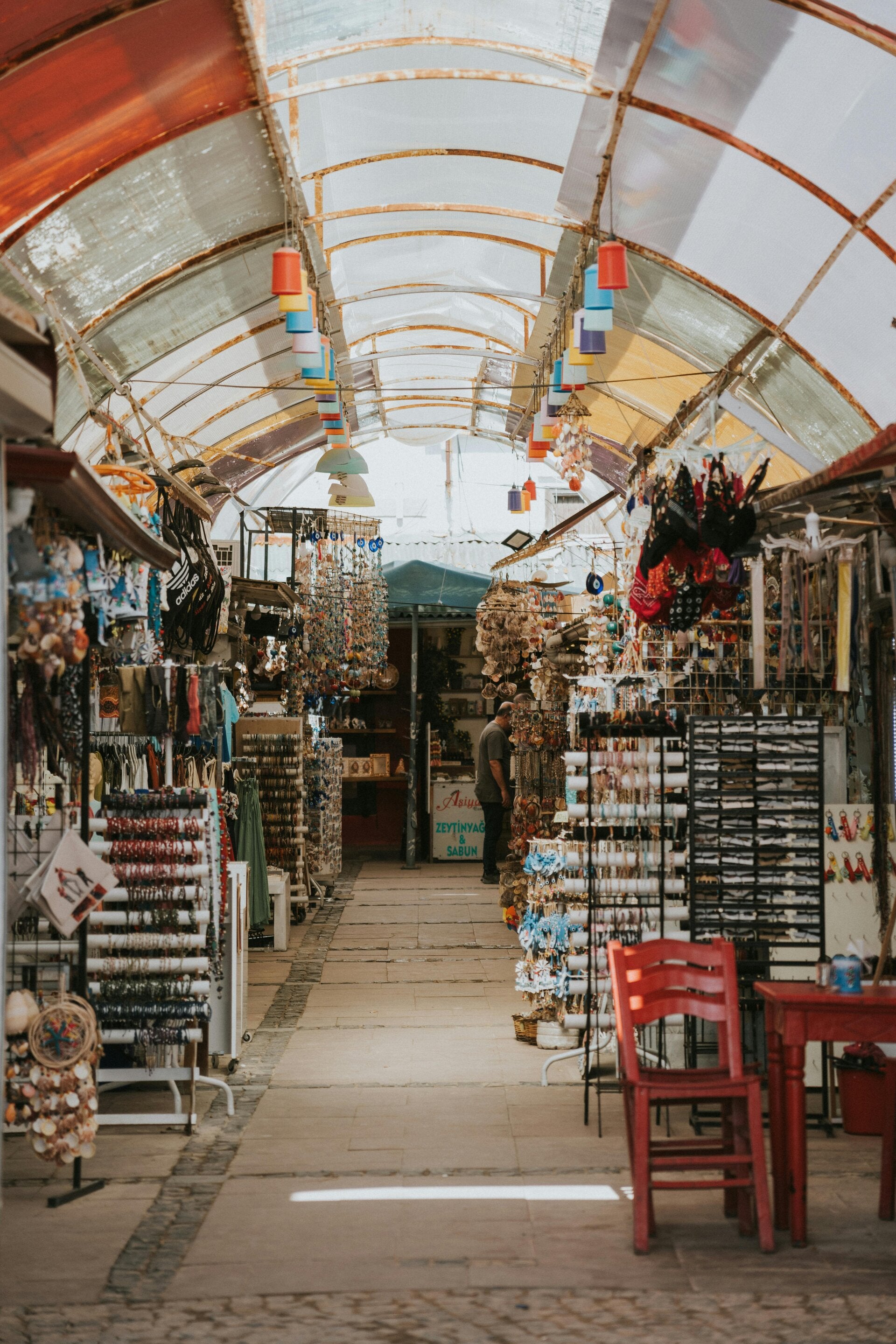
Craft Stores
Dedicated craft stores are wonderful when you want variety. You'll typically find supplies organized by craft type, making it easier to find everything for a particular project.
They're also useful when you're ready to experiment with a new hobby.
Dollar and Discount Stores
Discount stores can be excellent places to find basic supplies such as paper, glue, scissors, markers, ribbon, stickers, and simple decorations.
They're especially useful when you're trying a new craft and don't want to spend a lot of money.
Thrift Stores and Secondhand Shops
Don't underestimate the treasure hunt!
Thrift stores can be great places to find fabric, buttons, baskets, picture frames, yarn, sewing supplies, books for collage projects, and objects that can be repurposed.
The best part?
You never quite know what you'll find.
Art and Fabric Stores
If you become particularly interested in painting, drawing, sewing, quilting, or another specialized craft, an art-supply or fabric store can offer a much wider selection and more specialized materials.
Online Shops
Shopping online can be convenient when you're looking for something specific or want to compare different brands and prices.
It's particularly useful for specialty materials that may not be available in local stores.
Just remember to check the size and quantity carefully. A photograph can make a tiny package of beads look like enough to decorate an entire castle.
Don't Forget the Recycling Bin
Some of the best craft supplies may already be in your home.
Before buying something new, take a look around.
You might find:
-
Cardboard boxes
-
Paper bags
-
Empty jars
-
Egg cartons
-
Newspaper
-
Magazine pages
-
Bottle caps
-
Fabric scraps
-
Old greeting cards
-
Packaging materials
-
Paper towel tubes
With a little imagination, everyday objects can become surprisingly creative materials.

Start Small and Have Fun
The biggest mistake beginners can make is thinking they need to buy everything before they start.
You don't.
Start with a small collection of basic supplies. Try different crafts and see what makes you happy. If you discover that you love paper crafting, build your paper collection. If yarn becomes your obsession, stock up on yarn. If painting is your thing, gradually add paints and brushes.
Your craft supplies should grow with your creativity—not the other way around.
And remember, crafting isn't about having the most expensive tools or the biggest collection.
It's about making something, learning something, and having fun along the way.
So grab a pair of scissors, some paper, a little glue, and whatever else you have lying around.
Your next creative adventure might be sitting in your junk drawer.
Add comment
Comments